
52
years of hands-on building experience
Expand Without Leaving the Home You Love
Home Additions in Chattanooga for families outgrowing their current floor plan without wanting to relocate
John Paul Greene Custom Homes builds home additions that extend your living space with the same care and structural integrity used in new construction. You bring us layouts that no longer fit the way your family lives, and we respond with plans that tie new rooms into your existing foundation, framing, and roofline without visible seams or mismatched materials. Whether you need an extra bedroom for a growing family, a home office separated from daily noise, or a second story to maximize lot coverage without sacrificing backyard space, we coordinate structural calculations, permitting, and material selection to ensure the addition performs as part of the original home.
The work begins with evaluating load paths, foundation capacity, and how new framing will connect to existing walls and roof structures. We handle soil testing if needed, pull permits through local building departments, and schedule inspections at every phase. Additions in Chattanooga often require matching brick veneer or siding profiles that may no longer be manufactured, so we source materials that blend with what is already installed or propose updates that make the transition intentional rather than accidental. Electrical panels may need upgrades to support additional circuits, and HVAC systems are recalculated to maintain even heating and cooling across the expanded footprint.
If your home feels too small but moving is not the answer, reach out to discuss how an addition can be designed and built to match your current structure.
Planning Additions That Look Original, Not Attached
You receive floor plans that reflect how you actually use rooms, not generic layouts copied from standard templates. We map out traffic flow, window placement, ceiling height transitions, and how new hallways or staircases will connect to existing circulation paths. Structural engineers review foundation options, especially on sloped lots where grading or retaining walls affect footing depth. You see how the roofline will tie into existing ridges and valleys, and we adjust pitch or overhang to avoid awkward transitions that signal the addition was added later.
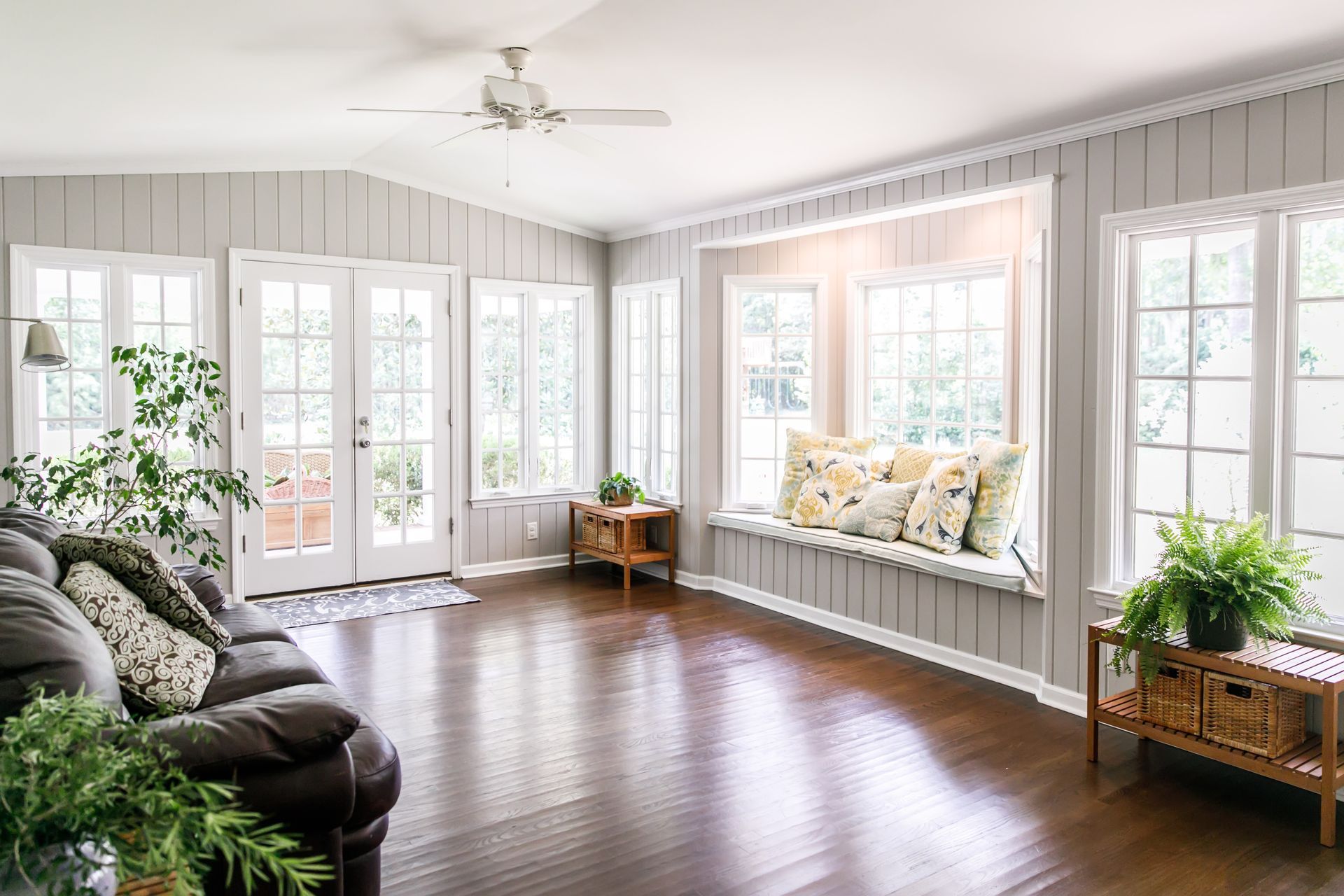
Once the project is complete, you walk through rooms with flush flooring, matched trim profiles, and consistent paint or stain finishes across old and new framing. Windows align with existing sightlines, and exterior materials continue without visible joints unless a design feature intentionally marks the transition. John Paul Greene Custom Homes coordinates inspections at every structural stage so nothing is concealed before it passes review, and you receive documentation for future appraisals or resale disclosures.
We do not handle standalone garage builds or accessory structures unattached to the main residence. Additions require access during construction, and we coordinate work schedules to limit disruption while keeping your home secure and weathertight each night. If foundation work uncovers unexpected soil conditions or utility conflicts, we adjust the plan and provide updated cost estimates before proceeding.
What to Expect During the Addition Process
Homeowners often ask how long the permitting and construction timeline will take, what happens to existing utilities during framing, and whether the addition will match the original home or look like an obvious extension.
How long does permitting take for a home addition?
Permitting timelines in Chattanooga typically range from two to four weeks depending on the scope and whether structural engineering stamps are required, and we submit all drawings and documentation to avoid delays from incomplete applications.
What happens to plumbing or electrical lines that run through walls being opened?
We locate and reroute utilities before framing begins, coordinate with licensed plumbers and electricians, and schedule inspections once new routing is installed and before walls are closed.
Will the new addition match the existing home?
We match siding profiles, brick patterns, window styles, and roofing materials to ensure visual continuity, and we adjust design details where exact matches are unavailable to create intentional transitions rather than mismatched seams.
When should I plan an addition instead of finishing unused space?
Plan an addition when your attic or basement cannot accommodate the ceiling height, layout, or access you need, or when expanding outward provides better natural light and integration with outdoor areas.
Why does foundation work vary between addition projects?
Foundation requirements depend on soil bearing capacity, frost line depth, and whether the addition will carry a second story or heavy roof loads, so we conduct soil tests and engineer footings specific to your site conditions.
When you are ready to add space that fits the way you live, contact John Paul Greene Custom Homes to review your home's structure, discuss layout options, and plan an addition that increases both function and long-term property value.